Sales Automation Software: The Complete Guide for Modern Businesses (2026)
Introduction In today's competitive business environment, speed, accuracy, and customer experience are no longer optional—they're essential. Whether you're a startup, a growing…
Introduction
In today's competitive business environment, speed, accuracy, and customer experience are no longer optional—they're essential. Whether you're a startup, a growing SME, or a large enterprise, managing leads, creating quotations, tracking follow-ups, and closing deals manually can quickly become overwhelming.
Many businesses still rely on spreadsheets, emails, and disconnected systems to manage their sales activities. While these methods may work for a small number of customers, they often lead to delayed responses, missed opportunities, inconsistent pricing, and reduced productivity as the business grows.
This is where sales automation software becomes a strategic advantage. Modern sales teams need more than just a contact database. They need an intelligent platform that automates repetitive tasks, streamlines communication, improves quotation accuracy, and provides real-time visibility into every stage of the sales pipeline. By automating routine processes, businesses can focus more on building relationships, solving customer problems, and driving revenue.
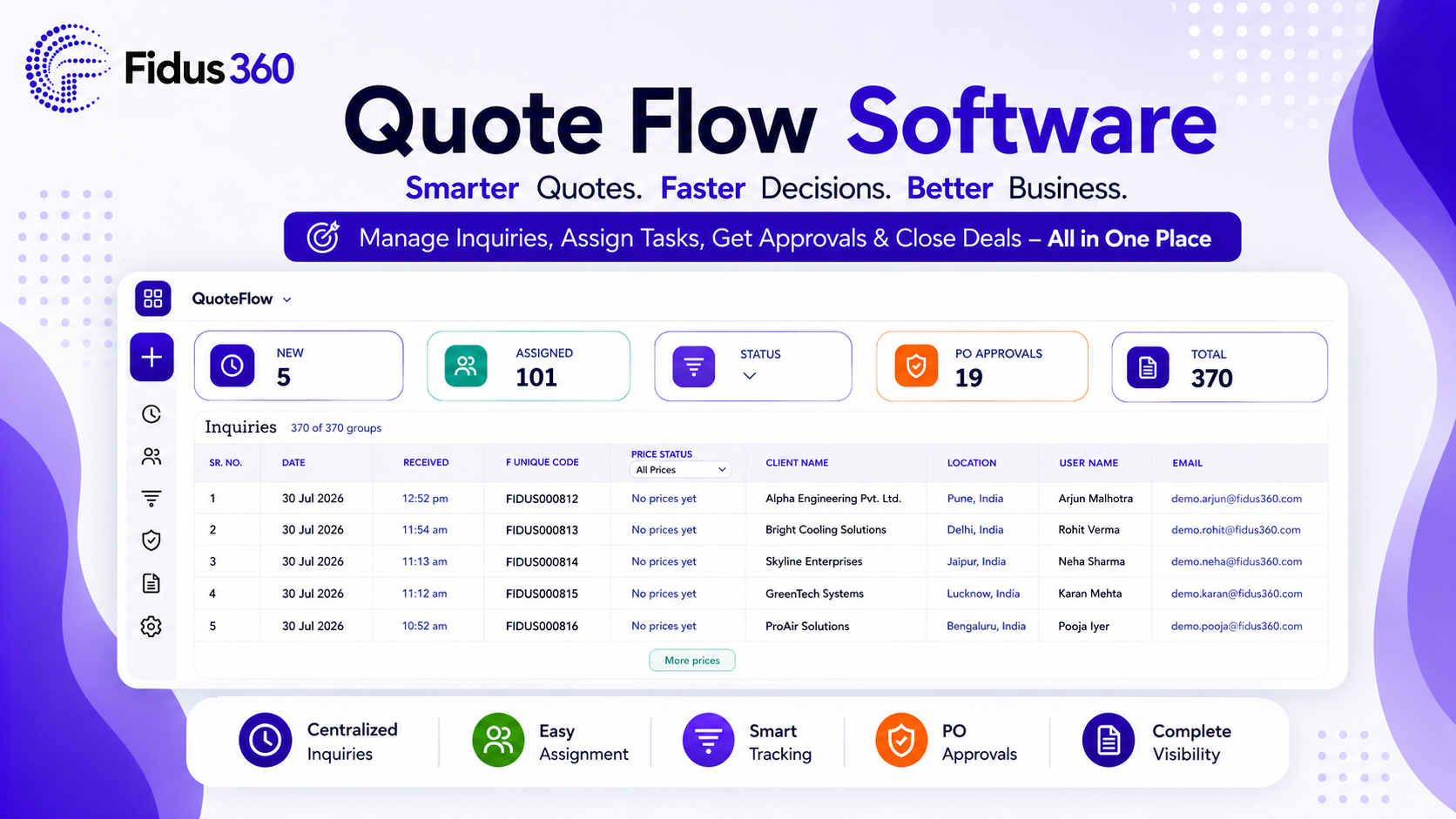
Solutions like Quote Flow by Fidus360 are designed to simplify the entire sales lifecycle—from lead management and quotation creation to approvals, follow-ups, and reporting—helping businesses deliver a faster and more professional buying experience. In this comprehensive guide, you'll learn:
- What sales automation software is and why it matters
- How an automated sales process improves efficiency
- The role of CRM sales automation software in business growth
- Why quotation management is essential for modern sales teams
- How businesses can choose the best quotation software for their needs
- Key trends shaping sales automation in 2026
Whether you're looking to replace manual processes or modernize your existing workflow, this guide will help you understand how automation can transform your sales operations.
What Is Sales Automation Software?
Sales automation software is a digital solution that automates repetitive and time-consuming sales activities, enabling teams to work more efficiently while maintaining consistency across every customer interaction.
Instead of manually updating spreadsheets, preparing quotations, sending follow-up emails, or tracking approvals, businesses can manage these tasks from a single centralized platform. A modern sales automation solution typically helps businesses:
- Capture and organize leads
- Assign leads automatically to sales representatives
- Generate professional quotations
- Manage customer communication
- Track follow-ups and reminders
- Monitor sales performance
- Generate reports and analytics
- Improve collaboration between teams
The objective isn't to replace sales professionals—it is to eliminate repetitive administrative work so they can focus on engaging with customers and closing more opportunities.
Why Businesses Are Moving Away from Manual Sales Processes
Manual sales operations often create hidden costs that become more noticeable as a business grows. Common challenges include:
Delayed Customer Responses
Customers expect quick quotations and timely communication. Waiting hours—or even days—for a quotation can result in lost opportunities, especially in competitive industries.
Human Errors
Manual quotation preparation increases the risk of:
- Incorrect pricing
- Missing product information
- Calculation mistakes
- Duplicate customer records
These errors can impact profitability and reduce customer confidence.
Limited Visibility
Without a centralized platform, managers often struggle to answer questions such as:
- Which deals are progressing?
- Which quotations are awaiting approval?
- Which salesperson needs support?
- Which leads require follow-up?
Lack of visibility makes forecasting and decision-making more difficult.
Inefficient Collaboration
Sales, finance, and management teams frequently exchange multiple emails and spreadsheets before a quotation is finalized. This slows down the sales cycle and increases the chance of miscommunication.
What Is an Automated Sales Process?
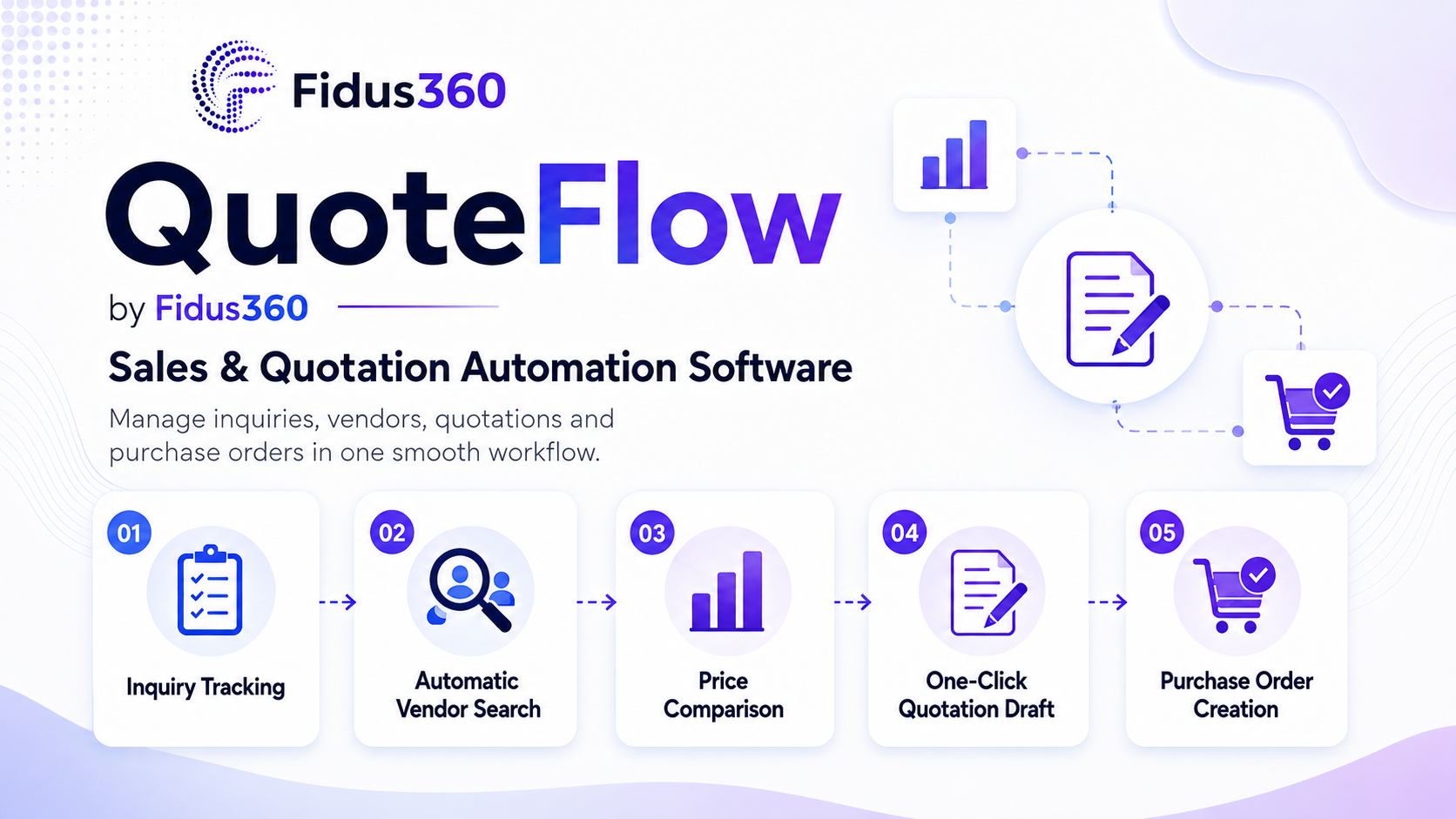
An automated sales process uses technology to complete routine sales tasks with minimal manual intervention while keeping every stage organized and traceable. Instead of relying on individual reminders or spreadsheets, automation ensures that every lead follows a structured workflow. A typical automated sales process includes:
- Lead captured from website, email, or marketing campaign
- Automatic assignment to the appropriate salesperson
- Customer information stored in the system
- Quotation generated using approved pricing
- Approval workflow initiated (if required)
- Quotation shared with the customer
- Follow-up reminders scheduled automatically
- Opportunity tracked until closure
- Reports generated for management
This structured workflow reduces delays, improves accountability, and creates a consistent experience for every customer.
Why Sales Automation Matters in 2026
The expectations of modern buyers continue to evolve. Customers now expect:
- Faster responses
- Accurate quotations
- Personalized communication
- Digital documentation
- Transparent processes
- Quick approvals
Businesses that rely solely on manual operations often struggle to meet these expectations consistently. Sales automation enables organizations to:
- Respond to enquiries more quickly
- Improve quotation accuracy
- Reduce administrative work
- Enhance collaboration
- Increase customer satisfaction
- Scale operations without proportionally increasing workload
Rather than spending valuable time on repetitive tasks, sales teams can focus on understanding customer requirements and delivering solutions that create long-term value.
The Growing Importance of CRM Sales Automation Software
Many organizations use Customer Relationship Management (CRM) systems to store customer information. However, storing contacts alone is no longer enough. CRM sales automation software combines customer relationship management with workflow automation, allowing businesses to manage interactions, sales activities, and quotations from one integrated platform. An effective CRM-enabled solution helps businesses:
- Maintain a complete customer history
- Track every sales interaction
- Monitor deal progress
- Schedule follow-ups automatically
- Improve collaboration across departments
- Reduce manual data entry
- Generate actionable insights
When CRM capabilities are integrated with quotation and workflow automation, sales teams gain a complete view of every customer journey—from the first enquiry to the final sale.
Key Features Every Sales Automation Software Should Include
Not every platform offers the same capabilities. Before investing in a solution, businesses should evaluate whether it supports both current operations and future growth.
1. Lead Management
A centralized lead management system ensures that enquiries from multiple channels are organized efficiently and assigned to the right sales representatives.
2. Quotation Creation
A modern Quotation Software solution should enable users to create professional quotations quickly while maintaining pricing consistency and reducing manual effort. Templates, product catalogs, tax calculations, and approval workflows simplify the quotation process and improve accuracy.
3. Sales Workflow Automation
Automated workflows reduce repetitive tasks such as: Lead assignment Reminder scheduling Approval routing Status updates Follow-up notifications This keeps every opportunity moving through the sales pipeline without unnecessary delays.
4. Dashboard and Reporting
Managers need real-time insights into:
- Sales performance
- Pending quotations
- Conversion rates
- Revenue forecasts
- Team productivity
Interactive dashboards make it easier to identify opportunities and make informed business decisions.
5. Mobile Accessibility
Sales representatives often work remotely or meet customers outside the office. Cloud-based access allows teams to create quotations, update opportunities, and communicate with customers from virtually anywhere.
Why Quotation Management Is More Important Than Ever
For many businesses, the quotation is the customer's first formal impression of the company. A professionally prepared quotation reflects reliability, transparency, and attention to detail. Effective quotation management helps businesses:
- Standardize quotation formats
- Maintain pricing consistency
- Reduce approval delays
- Track quotation status
- Monitor customer responses
- Improve conversion rates
Instead of creating quotations from scratch every time, teams can generate consistent, branded documents in minutes, allowing them to respond faster and present a more professional image. As businesses grow, efficient quotation management becomes an essential component of a scalable sales strategy rather than simply an administrative task.
Frequently Asked Questions
1. What is sales automation software?
Sales automation software helps businesses automate repetitive sales activities such as lead management, quotation creation, follow-ups, approvals, customer tracking, and reporting. It allows sales teams to spend more time building customer relationships and closing deals instead of handling manual administrative tasks.
2. How does CRM sales automation software improve business performance?
CRM sales automation software centralizes customer information, automates workflows, tracks sales opportunities, schedules follow-ups, and provides real-time insights. This helps businesses improve productivity, shorten sales cycles, and deliver a more consistent customer experience.
3. What is quotation software?
Quotation software is a digital solution that enables businesses to create, manage, approve, and send professional quotations quickly. It reduces manual errors, standardizes pricing, and speeds up the quotation process.
4. Is quotation software free?
Some providers offer a basic quotation software free plan or trial with limited features. Businesses that require advanced capabilities such as approval workflows, CRM integration, reporting, and automation generally benefit from a paid solution like Quote Flow by Fidus360.
5. What is invoice quotation software?
Invoice quotation software allows businesses to generate quotations and convert approved quotes into invoices with minimal manual effort. This helps maintain pricing accuracy, improve billing efficiency, and reduce duplicate data entry.
Related apps